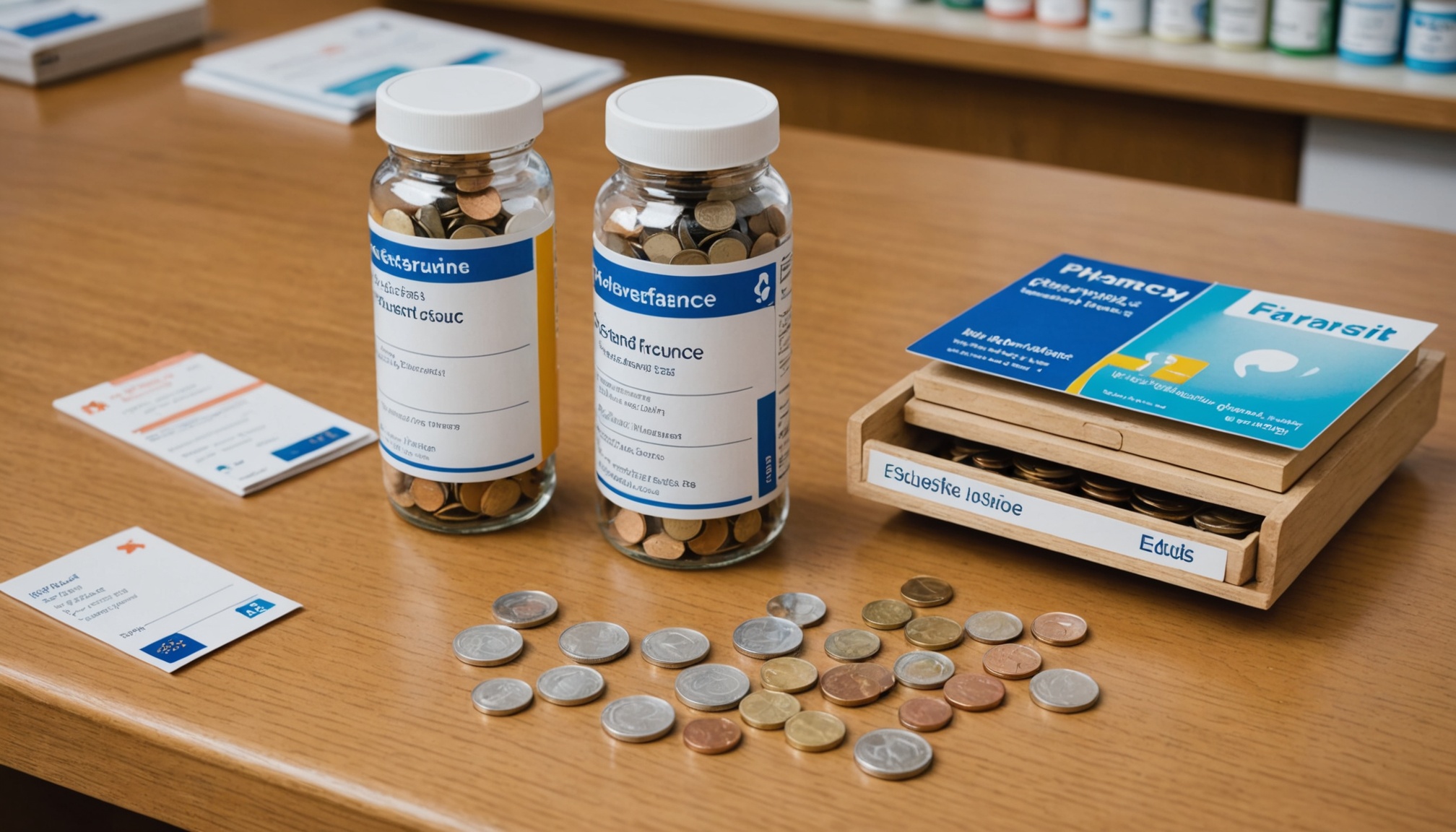
As of October 1, 2026, the medical franchise fee is taking on a new shape. The annual cap is rising from 100 to 140 euros, and at the same time, 171 drugs considered to have limited effectiveness are shifting from 100% reimbursement to just 15% for patients with a long-term illness (ALD, France's status for chronic conditions). Two separate measures, adopted independently by public authorities, that take effect on the same date and directly affect the wallets of several million policyholders.
Two Measures That Add to the Bill for ALD Patients
Contents
The first measure concerns the cap on the medical franchise fee and the flat-rate co-payment (participation forfaitaire) — that is, the maximum amount that Assurance Maladie (France's national health insurance) can deduct each year from a policyholder's reimbursements. This cap is rising from 100 to 140 euros per year, split into two equal allowances: 70 euros for consultations and 70 euros for medications, paramedical procedures, and medical transportation. The amounts deducted per act remain unchanged: 1 euro per box of medication, 2 euros per consultation.
- For a policyholder without a chronic condition, the average impact is estimated at about ten euros more per year, or less than one euro per month.
- For a patient with ALD, who accumulates more reimbursable procedures, the extra cost rises to around 2 euros more per month.
- Nearly 18 million policyholders remain exempt from these franchise fees (CMU-C [France's means-tested health coverage program], maternity, and certain specific situations).
171 Drugs Now Reimbursed at Just 15%
The second measure, which weighs more heavily on chronically ill patients, stems from a decree published in April 2026: as of October 1, it ends the exemption from the standard co-payment (ticket modérateur) that ALD patients had until now enjoyed for drugs with a low medical benefit rating (service médical rendu). In concrete terms, 171 treatments such as Spasfon, Gaviscon, Météospasmyl, Dexeryl, Tanakan, and Valium are moving from full reimbursement to 15% reimbursement, for all policyholders, whether or not they have ALD status. To check on a reimbursement claim day to day, many policyholders already use the photo claim form feature on the ameli app, a habit that becomes even more useful for tracking exactly what remains covered.
According to Assurance Maladie, the goal of this reform is to generate about 90 million euros in annual savings. For an ALD patient who regularly takes one of these drugs, the additional out-of-pocket cost is estimated at between 150 and 300 euros per year.
Up to 300 Euros in Additional Out-of-Pocket Costs per Year
Combined, these two measures come amid a tight budget environment for France's Social Security system, as the tight timeline for the state budget forces new savings each year. They add to other adjustments already underway in access to care, such as the end of paid fast-track teleconsultation options decided earlier this year. Taken in isolation, each amount seems modest; but added up over a year of regular care, the total can weigh on a household's budget, particularly for patients with multiple conditions who rack up consultations, medications, and paramedical procedures.
How to Limit the Impact on Your Health Budget
A few simple habits can ease the increase: checking your supplemental insurance plan's coverage level for drugs with a low medical benefit rating, asking your doctor about equivalent therapeutic alternatives when possible, or keeping an eye on your reimbursement statements in your ameli account to quickly spot a change in the coverage rate. These everyday trade-offs are also good budgeting advice, a topic that economic news regularly covers from the angle of household purchasing power.
Frequently Asked Questions
Who is affected by the drop in reimbursement to 15%?
All policyholders are affected as soon as they buy a drug on the list of 171 treatments with a low medical benefit rating, whether or not they have long-term illness (ALD) status. ALD patients, however, lose a specific advantage: until now, these drugs were reimbursed to them at 100% because of their chronic condition.
Does the 140-euro cap apply to everyone?
No. About 18 million people remain exempt from medical franchise fees and flat-rate co-payments, including beneficiaries of the complémentaire santé solidaire (France's means-tested supplemental health coverage), pregnant women from the sixth month of pregnancy onward, and minors in certain situations provided for by regulation.
Is the amount deducted per consultation or box of medication also increasing?
No, these per-unit amounts remain set at 1 euro per box of medication and 2 euros per consultation. Only the cumulative annual cap that Assurance Maladie can deduct is changing, rising from 100 to 140 euros per year.
Sources
France Info,
Egora, and
Fédération Française des Diabétiques.
Author Profile
Latest entries
 Artificial Intelligence12 November 2026Imagine Enterprise: IBM and Microsoft Team Up on AI Agents for Large Businesses
 Economy11 November 2026Livret A Rate: Understanding How It's Calculated and Its Limits
 Shopping8 November 2026Black Friday: Key Dates and the Budget French Shoppers Are Planning
 Sports6 November 2026Men's Road Bike: How to Choose and Maintain One
This article was written with the help of artificial intelligence. Editorial policy