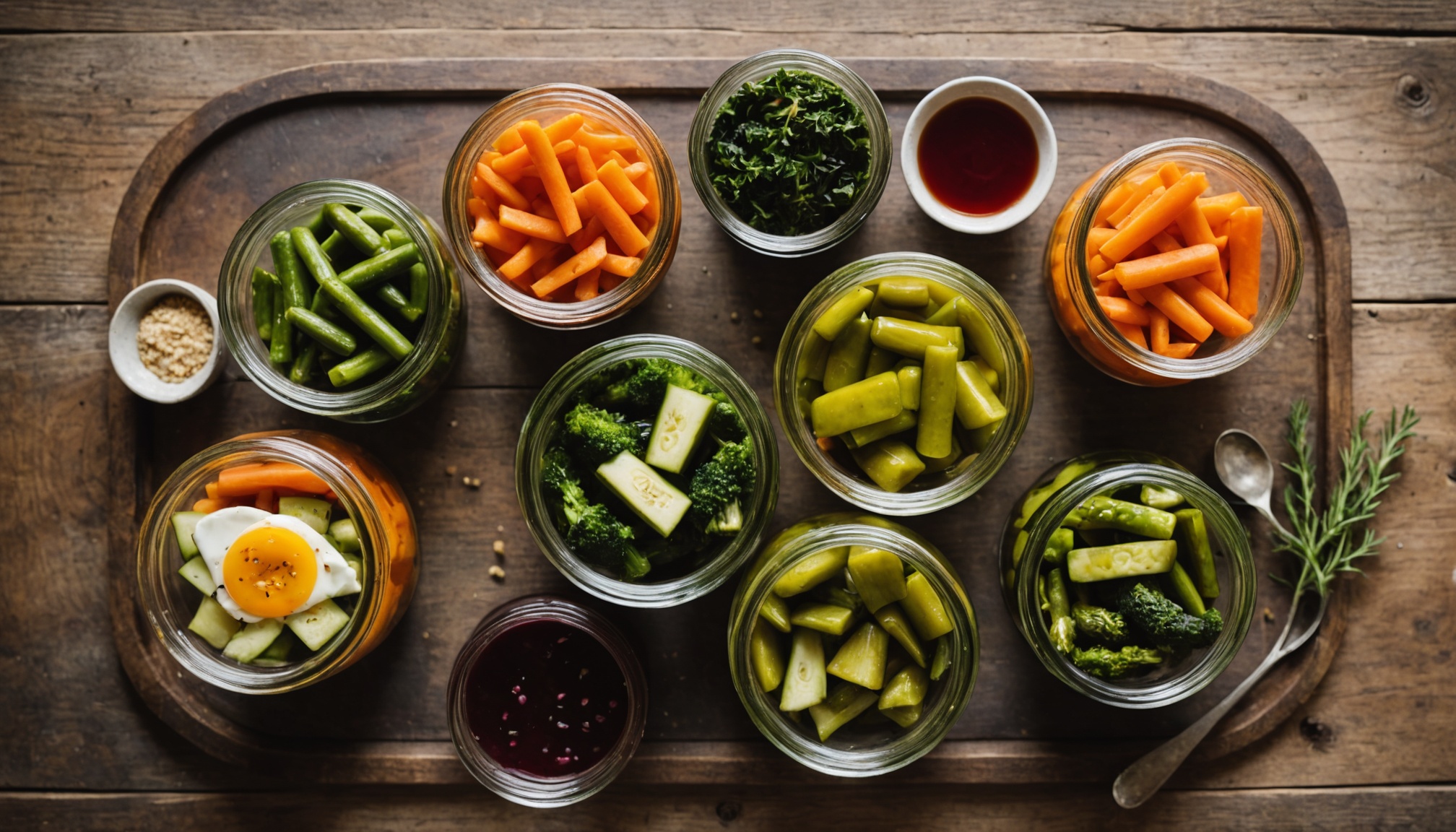
French cuisine is changing profoundly, and not just in Michelin-starred restaurants. In 2026, it's our everyday plates — neighborhood bistros, cafeterias, street food — that are absorbing food trends straight out of culinary labs. Fermentation, hyperlocal sourcing, condiments elevated to star status: here's what's actually going to change in what you eat, and why these shifts go beyond mere fad.
The Event That Sets the Pace: SIAL Paris 2026
Contents
To understand the year's major directions, one event stands as a benchmark: SIAL Paris, one of the world's largest food trade shows. The 2026 edition runs October 17 to 21 at the Parc des Expositions in Paris-Nord Villepinte and brings together manufacturers, distributors, restaurateurs, and institutions around the future of the “food planet.”
Two new features sum up the mood of the moment. The StrEat Lab, an immersive space of more than 600 square meters designed like a Parisian street, dedicated to street food and food-away-from-home dining. And SIAL Bakery, a full-scale 85-square-meter bakery workshop dedicated to French craftsmanship. The message is clear: mobile dining and artisan bread are no longer side notes, but full-fledged areas of innovation.
Fermentation Moves Beyond Avant-Garde Kitchens
This is arguably the most striking shift. Fermentation — lacto-fermentation, pickles, koji, homemade miso — is no longer reserved for cutting-edge tables. Long championed by well-known Parisian spots famous for their seasonal cooking, it's now trickling down to neighborhood bistros and brasseries.
Why now? Because fermentation checks several boxes at once: it intensifies flavor without additives, it showcases seasonal produce, and it cuts down on waste by extending the life of vegetables. A dash of fermented sauce, a well-placed spoonful of pickles, and a simple dish gains real depth. The condiment is becoming the heart of the plate, no longer just a detail.
Local Sourcing: The Table's “New Luxury”
The second major trend: the return of short supply chains. Micro-seasonality, direct sourcing from producers, less waste… local sourcing is becoming as much a value statement as an environmental gesture. For consumers, this translates into shorter menus, refreshed as harvests change, and traceability put front and center.
- Shorter menus, built around what the season actually offers.
- Street food going upscale: fast formats, but carefully chosen ingredients, homemade sauces, well-crafted recipes.
- Functional eating: dishes designed with benefits in mind too (digestion, nutritional balance), without giving up on pleasure.
What This Means for You
In practical terms, eating in 2026 should mean more flavor with less impact. Fermentation lets you enjoy vegetables all year round and cuts down on waste, both at home and in restaurants. Local sourcing shortens the distance between the producer and the plate. And “premium” street food makes carefully crafted cooking accessible without the fuss of formal fine dining. Good news for both your wallet and your health.
One caveat remains: these trends coexist with deeply rooted habits. Home cooking, conviviality, and the search for quality ingredients remain the true constants. The most lasting innovation may not be technological, but cultural: relearning how to value time, seasonality, and craftsmanship.
Frequently Asked Questions
Is homemade fermentation safe?
When done properly, lacto-fermentation is an age-old, reliable preservation method: salt and acidity prevent unwanted microorganisms from developing. You need to respect salt proportions, use clean utensils, and keep an eye on appearance and smell. If in doubt (mold, unusual odor), throw it out. For beginners, it's best to follow a tried-and-tested recipe.
Does eating local always cost more?
Not necessarily. Short supply chains cut out middlemen, and fully in-season produce is often more affordable. Producer baskets, farmers' markets, and shorter menus help you manage your budget while gaining freshness. Our consumer tips can help you compare.
Is “premium” street food really any different?
Yes: the format stays quick, but the ingredients are carefully selected, the sauces are homemade, and the recipes are crafted the way they would be in a restaurant. You'll find PDO-certified products, fusion cooking, and meticulous technique. Speed is no longer at odds with quality.
Sources
- Agro Media — SIAL Paris 2026: The Food Planet Gathers in Villepinte
- Michelin Guide — The Major Culinary Trends of 2026
- Fine Dining Lovers — 2026 Food Trends on the French Plate
Author Profile
Latest entries
 Food & Drink21 November 2026Beaujolais Nouveau: A Historically Low Harvest, Yet Sales Keep Climbing
 Finance20 November 2026Consumer Credit: Mini-Loans, Split Payments, and Overdrafts Face Tighter Rules
 Planet15 November 2026CO2 Emissions: Why Transportation Remains France's Climate Blind Spot
 Artificial Intelligence12 November 2026Imagine Enterprise: IBM and Microsoft Team Up on AI Agents for Large Businesses
This article was written with the help of artificial intelligence. Editorial policy