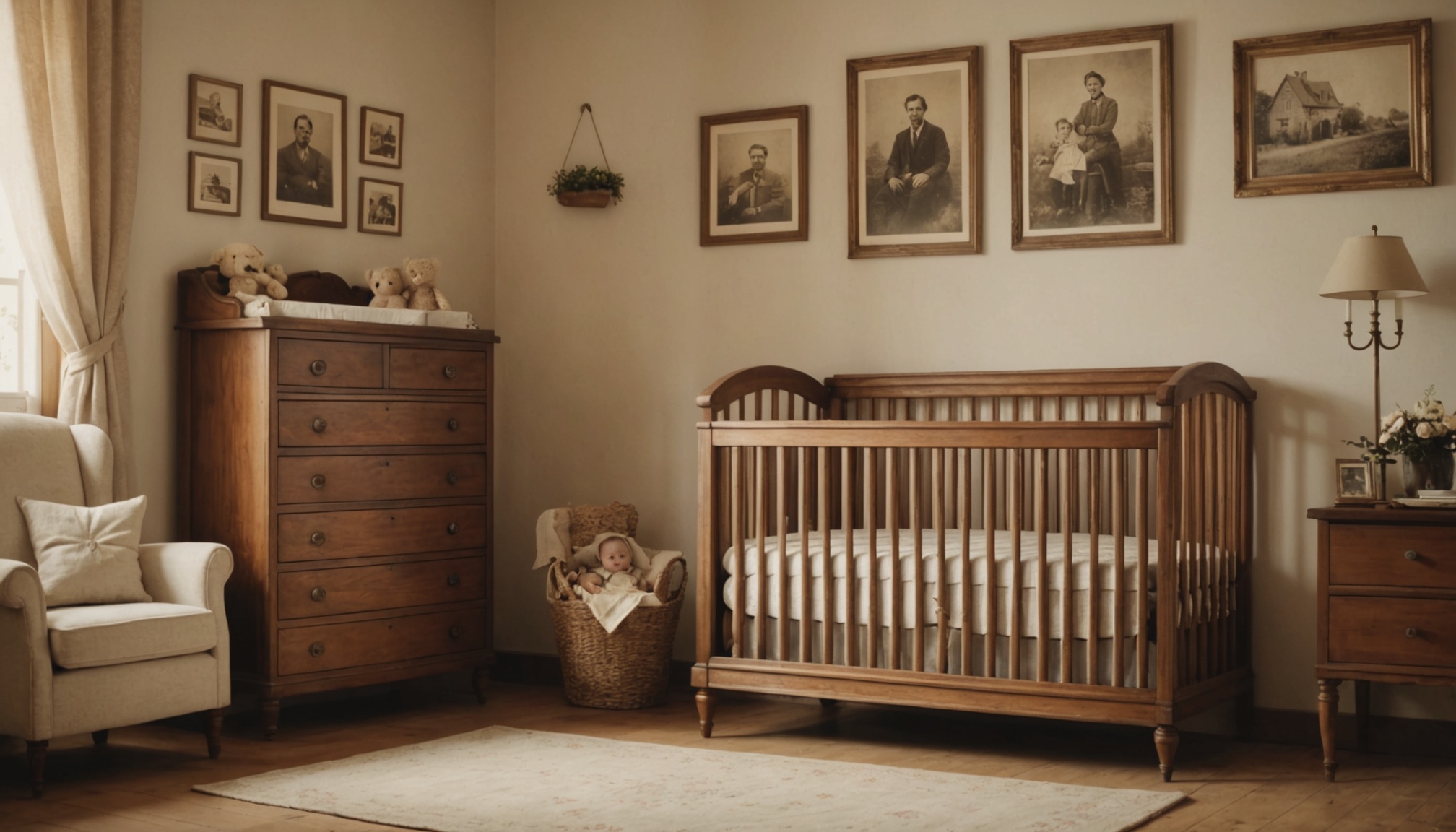
Suzanne, Madeleine, Colette, Margot: these names that smelled of black-and-white family albums are making a strong comeback in French maternity wards. This trend is no coincidence: it follows a fairly precise cyclical pattern that industry specialists call the “100-year rule.”
Suzanne, the New Star of “Vintage” Names
Contents
In this year's ranking of names considered “vintage,” Suzanne comes out on top, prized for its soft sound and its relative rarity over the past several decades. Behind it, other names emblematic of the 1920s are making a marked comeback: Madeleine, Colette, and Margot are winning over more and more young parents looking for a chic alternative to the most popular names of the moment.
This taste for old-fashioned names isn't limited to a few isolated exceptions. It fits into a broader movement toward authenticity, also seen in other consumer choices made by French households, from secondhand furniture to local food.
The “100-Year Rule”: Why 2026 Looks Back to 1926
Onomastics specialists offer a fairly elegant explanation for this cyclical phenomenon: a name takes about a century to sound “fresh” again to parents' ears. Too closely tied to the generation of parents or grandparents, it eventually fades from memory, only to reappear decades later as a charming rediscovery.
In practice, parents giving birth in 2026 are drawing inspiration from names given to babies born in 1926 — a generation distant enough to no longer evoke an aunt or a neighbor, yet close enough to remain anchored in family history through stories passed down by great-grandparents. This mechanism explains why names considered “old-fashioned” twenty years ago are now decidedly “retro-chic” choices.
A Choice as Much About Identity as Aesthetics
Beyond the sound of a name, choosing a vintage name is often an act of passing something down. Many parents interviewed by early-childhood websites say they want to honor an ancestor or carry on a family story, while also giving their child a name rare enough that they won't end up being the third kid with the same name in their class. It's a way of reconciling uniqueness with roots, running counter to the very popular international names of recent years.
This quest for distinction doesn't rule out trend effects: once an old-fashioned name is flagged as trendy by specialized media, it often sees a rapid rise in births in the following years, before leveling off or declining in turn.
What This Says About French Families in 2026
This return of pre-war names is just one facet of a broader movement seen among young parents: a search for meaning, a desire to pass things on, and an attachment to a time seen as more authentic. It ties in with other deep-seated trends in French society, such as renewed interest in handmade goods, local supply chains, and secondhand items. Choosing a child's name has become, more than ever, an act loaded with meaning and personal history.
Frequently Asked Questions
What is the “100-year rule” as applied to names?
It's the idea that a name becomes desirable again for parents roughly a century after it was widely used, once it has faded enough from close memory to no longer seem dated.
Which vintage names are making the biggest comeback in 2026?
Suzanne tops the list of vintage girls' names, followed by Madeleine, Colette, and Margot, all emblematic of the 1920s.
Why do parents choose an old-fashioned name over a trendy one?
Many see it as a way to honor an ancestor while giving their child a rare, distinctive name carrying family history, rather than simply following a trend.
Find more social commentary in our General section, our everyday practical Tips, and our consumer analyses in Consumer.
Sources
- Biba Magazine — This Name of Our Great-Grandmothers Is Now Number One in France
- Crèche Les Pitchouns — Top 100 Vintage Names 2026: The Return of Retro-Chic
- PrénomsBébé — Top Old-Fashioned Names Making a Comeback
Author Profile
Latest entries
 Food & Drink21 November 2026Beaujolais Nouveau: A Historically Low Harvest, Yet Sales Keep Climbing
 Finance20 November 2026Consumer Credit: Mini-Loans, Split Payments, and Overdrafts Face Tighter Rules
 Planet15 November 2026CO2 Emissions: Why Transportation Remains France's Climate Blind Spot
 Artificial Intelligence12 November 2026Imagine Enterprise: IBM and Microsoft Team Up on AI Agents for Large Businesses
This article was written with the help of artificial intelligence. Editorial policy