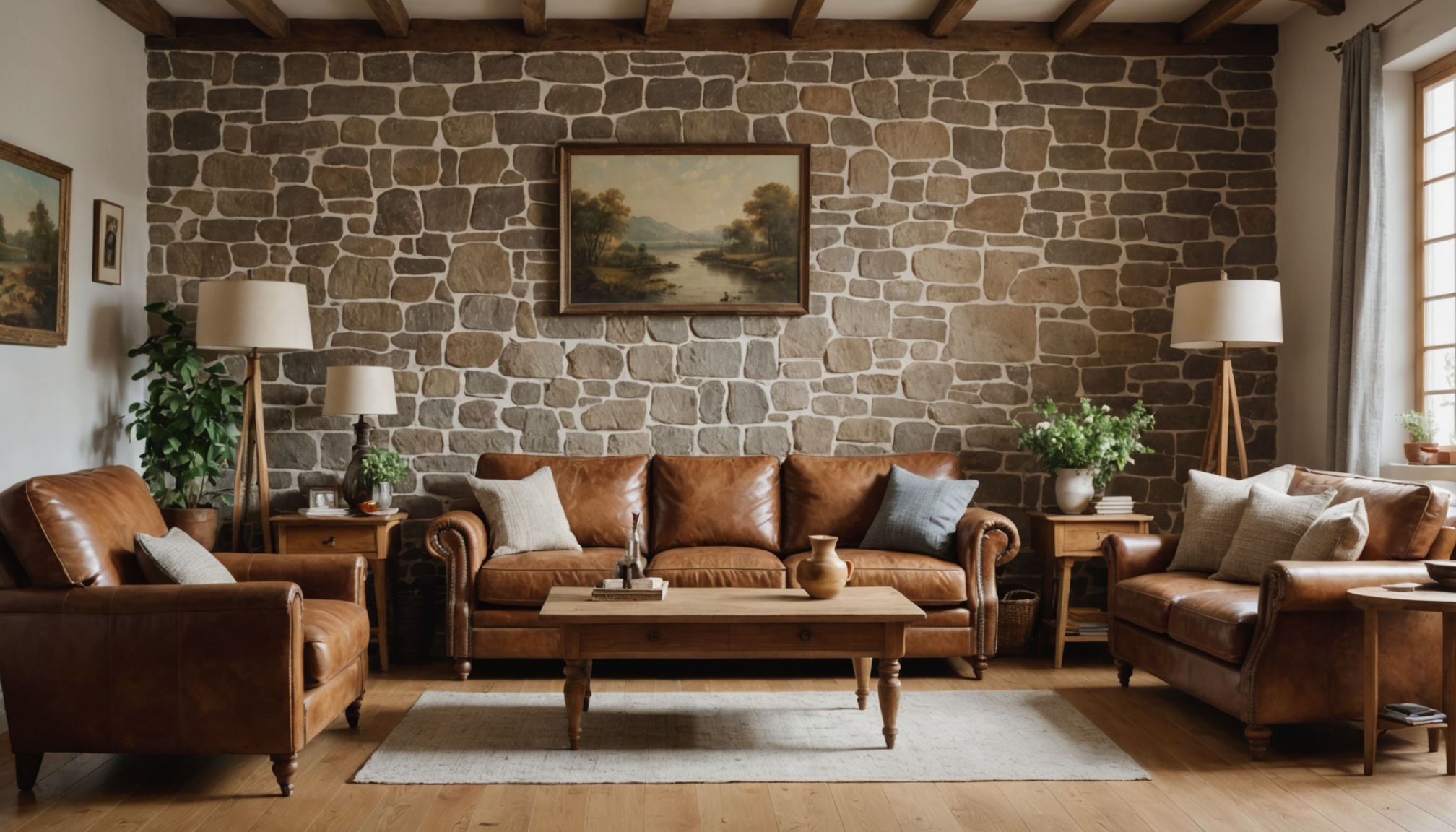
This fall, interior design is taking a decisive turn toward authenticity. Gone are overly smooth, standardized pieces of furniture: the trends reshaping our homes now favor antique furniture, raw materials, and objects that bear the marks of time.
The Grand Comeback of Antique Furniture
Contents
Several specialized decor websites confirm it: secondhand furniture is no longer just a budget constraint—it has become a full-fledged aesthetic choice. Thrifters and vintage hunters now favor pieces that bear real signs of craftsmanship over the flawless finishes of new furniture. An antique or inherited piece deliberately breaks up the linearity of an otherwise very contemporary living room, somewhat like the way other vintage trends are making their way back into everyday life in France, as seen in the renewed interest in vintage first names among young parents.
Light Wood, Raw Stone, Polished Concrete: The Trio Taking Over
When it comes to materials, three families dominate this season: light wood, raw stone, and polished concrete. Together, they create a more sensory, soothing atmosphere than the smooth, uniform finishes that dominated the previous decade. Stoneware, solid wood, and washed linen round out this palette of natural materials, designed to bring warmth without tipping into decorative overload. This shift affects both new interiors and renovations of more traditional homes, where homeowners are looking to bring back character.
A Trend Driven by Secondhand Finds and Craftsmanship
This return to authenticity also comes with a more responsible dimension. Secondhand shopping is clearly on the rise, driven by growing environmental awareness: rather than buying new, more and more households are scouring flea markets and yard sales in France in search of a piece with a story. Artisanal craftsmanship is also regaining ground, with renewed interest in handmade objects made of ceramic, blown glass, or solid wood. This shift toward more sustainable choices echoes other deep changes in everyday habits, such as the renewed interest in slower, more authentic ways of living, driven in part by the trend known as “nonna maxxing.”
Key Takeaways
- Standout materials: light wood, raw stone, polished concrete, stoneware, washed linen
- Furniture: secondhand and thrifted pieces are gaining ground over new furniture
- Desired atmosphere: more sensory, more soothing, less smooth
- Driving forces behind the trend: authenticity, craftsmanship, and environmental restraint
Frequently Asked Questions
Why is antique furniture coming back into fashion?
It reflects a search for authenticity and character, breaking away from the overly smooth finishes of standardized new furniture, while also fitting into a more responsible approach to consumption.
What are this fall's trendy materials?
Light wood, raw stone, and polished concrete dominate, rounded out by stoneware and washed linen for a more natural, sensory feel.
Is this decor trend linked to environmental concerns?
Yes: the rise of secondhand shopping and local craftsmanship reflects a growing desire to consume more sustainably, including when it comes to furniture.
Sources
Author Profile
Latest entries
 Food & Drink21 November 2026Beaujolais Nouveau: A Historically Low Harvest, Yet Sales Keep Climbing
 Finance20 November 2026Consumer Credit: Mini-Loans, Split Payments, and Overdrafts Face Tighter Rules
 Planet15 November 2026CO2 Emissions: Why Transportation Remains France's Climate Blind Spot
 Artificial Intelligence12 November 2026Imagine Enterprise: IBM and Microsoft Team Up on AI Agents for Large Businesses
This article was written with the help of artificial intelligence. Editorial policy