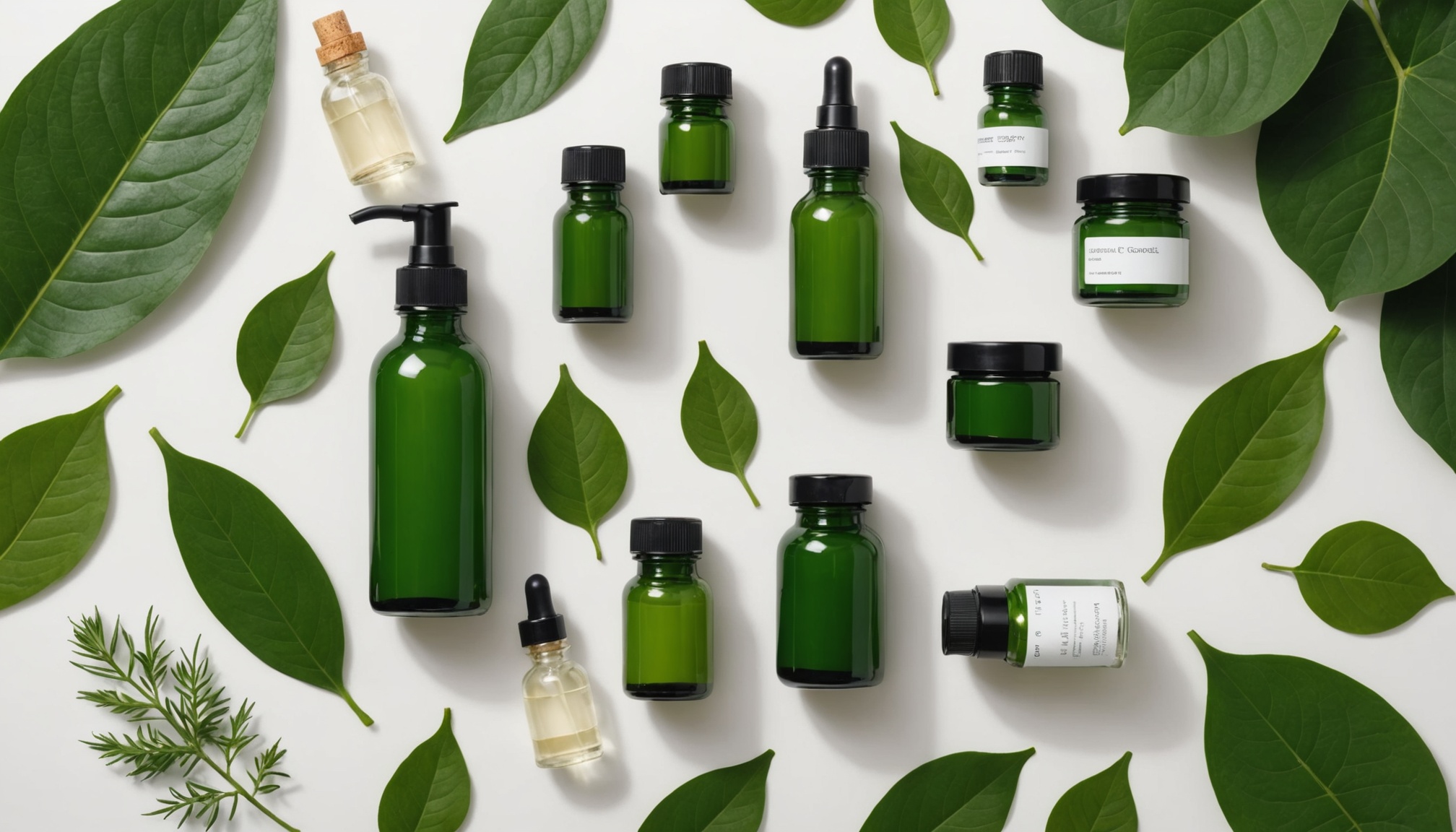
Organic cosmetics aisles have never been so full, but not all products that claim to be organic are equal. Between genuine certified standards and packaging simply given a green makeover for the occasion, the DGCCRF (France's consumer protection agency) has already flagged insufficiently substantiated claims on this fast-growing market. Here are the concrete criteria for telling a genuinely committed product apart from a mere marketing argument.
Cosmos, Ecocert, Nature & Progrès Labels: What They Actually Guarantee
Contents
Organic cosmetics are not defined by a single regulation in France: they rely on private standards, verified by certification bodies. The Cosmos standard, created in 2017 from the merger of several European organizations including Ecocert and Cosmébio, offers two levels: “Cosmos Natural,” which requires at least 95% naturally derived ingredients, and “Cosmos Organic,” which adds a minimum of 20% ingredients from organic farming across the entire product. The Nature & Progrès label goes further, banning all synthetic ingredients. To compare catalogs before buying, LovelySkin, a retailer specialized in organic cosmetics, lets you filter products by label—a good habit for spotting products that are genuinely certified rather than merely implied to be.
Spotting Greenwashing on the Label
The word “natural,” meanwhile, is not protected by any law: any brand can use it without independent verification. Only the term “organic” is regulated, with a requirement to state the actual percentage of organic ingredients if it is not 100%. The INCI list (the list of ingredients in Latin, required on the back of the product) remains the best indicator: the further down this list an ingredient touted on the front appears, the lower its actual quantity. This vigilance is part of a broader shift toward more mindful consumption, comparable to the digital minimalism that more and more households are also adopting.
- Check for a recognized certification logo (Cosmos, Nature & Progrès, Ecocert), not just a word on the front.
- Read the INCI list rather than the packaging: the order of ingredients indicates their actual proportion.
- Be wary of green packaging, leaves, and stars, which have no certifying value on their own.
- Compare the percentage of organic ingredients stated, when the brand specifies it clearly.
Complementary Steps, Not Substitutes
Many households also combine homemade recipes with their routine, such as certain natural masks used against acne. These steps can complement a routine, but they do not replace a product formulated and tested for sensitive or reactive skin. This enthusiasm for the natural extends beyond the bathroom, too: it also affects other consumer purchases, such as the rise of natural stone jewelry, a sign of a broader quest for authenticity in everyday purchases.
The Most Common Mistakes to Avoid
- Believing a “paraben-free” product is automatically organic: the two notions have no direct link.
- Relying solely on price, since an expensive cosmetic is not necessarily certified.
- Ignoring the expiration date after opening (the “open jar” symbol on the packaging), which is often shorter on natural formulas without synthetic preservatives.
- Buying in bulk without having tested the product first, risking a skin reaction.
Frequently Asked Questions
Is an organic cosmetic necessarily hypoallergenic?
No. Organic certification concerns the origin and production method of the ingredients, not their allergenic potential. Some natural active ingredients, such as certain essential oils, can cause skin reactions.
How can I verify that a displayed label is authentic?
Every serious standard (Cosmos, Nature & Progrès) publishes a list of its certified products or an online verification tool. If in doubt, it's better to check the certifying body's website than to rely solely on the visual on the packaging.
Does the higher price of organic cosmetics always make sense?
Not always. The extra cost sometimes reflects certified raw materials and smaller production volumes, but it can also stem solely from a brand's marketing positioning, with no connection to the product's actual composition.
Sources
- DGCCRF — Avoid the pitfalls of greenwashing
- DGCCRF — Cosmetics: in search of “natural”
- ADEME — Environmental labels for hygiene and beauty, Ecocert Cosmos
Author Profile
Latest entries
 Food & Drink21 November 2026Beaujolais Nouveau: A Historically Low Harvest, Yet Sales Keep Climbing
 Finance20 November 2026Consumer Credit: Mini-Loans, Split Payments, and Overdrafts Face Tighter Rules
 Planet15 November 2026CO2 Emissions: Why Transportation Remains France's Climate Blind Spot
 Artificial Intelligence12 November 2026Imagine Enterprise: IBM and Microsoft Team Up on AI Agents for Large Businesses
This article was written with the help of artificial intelligence. Editorial policy