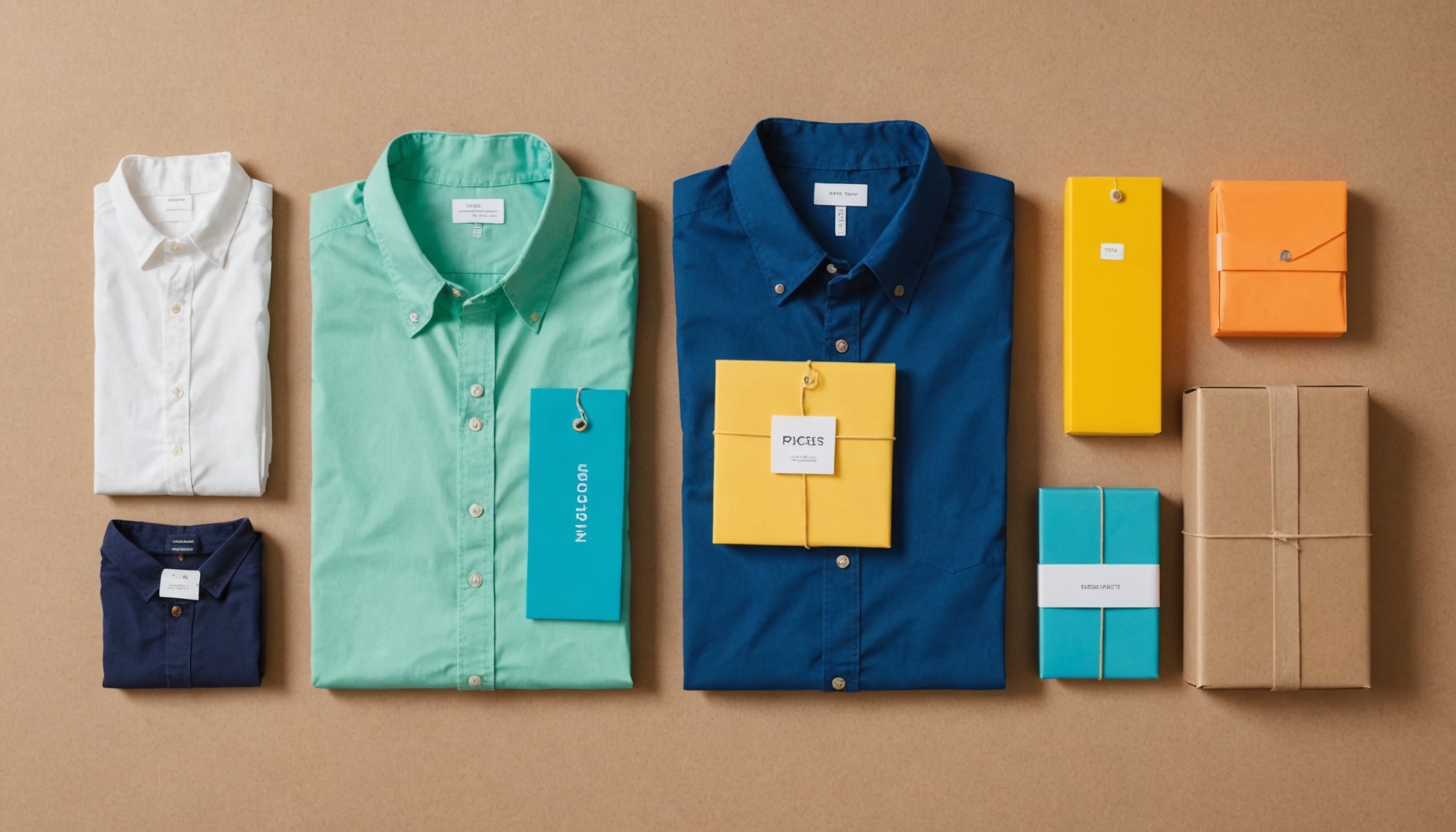
Since September 1, 2026, every ultra cheap garment sold in France costs a bit more than before, even if the price tag in stores doesn't necessarily change. The reason: the entry into force of the anti-ultra fast-fashion malus, an eco-contribution designed to slow down the model of platforms that flood the market with low-cost new arrivals. Here's what this measure actually changes for both shoppers and brands.
A penalty calculated item by item
Contents
The approach chosen by the law is a tiered eco-contribution, owed by the companies placing products on the market and applicable as of September 1, 2026. Its amount ranges between €0.25 and €12 per item sold this year, with a cap set at 50% of the sale price. That cap is set to rise progressively: it will reach €19.50 per item by 2030, a timeline designed to give platforms time to adjust their business models without making them disappear overnight.
Unlike a standard tax, this penalty doesn't apply uniformly across the entire apparel sector: it specifically targets players identified as belonging to “ultra fast-fashion,” meaning platforms that renew their catalogs at an extremely fast pace and in very high volumes, as opposed to traditional fashion or even “classic” fast-fashion.
Why this measure now
The law comes during a back-to-school period when household clothing spending is under close scrutiny. The lawmakers' stated goal is twofold: reduce the environmental impact of a sector accused of producing considerable volumes of textile waste, and rebalance competition with French and European brands subject to stricter social and environmental standards.
This is only a first step. Starting January 1, 2027, the law will go further by banning the promotion of ultra fast-fashion products by influencers on social media, with fines that can reach €100,000. That's set to durably change the practices of an influencer-marketing sector largely built around low-price clothing “hauls.”
What this means for shoppers
For consumers, the most concrete effect should be a gradual price increase on the platforms concerned, as brands pass on all or part of the penalty into their prices. Some may also adjust their messaging, as back-to-school fashion trends already put more durable pieces in the spotlight. A few key points to keep in mind:
- The penalty applies at the point the product is placed on the market, not directly to the consumer: there's no new, visible tax line on the receipt;
- Traditional retailers and secondhand platforms are not affected by this measure, which could accelerate a shift toward resale that's already underway, as also seen in other consumer sectors;
- The exact amount of the penalty depends on technical criteria specific to each product, which makes its impact variable from one item to another.
This gradual shift echoes, in a different context, the change in habits already seen with antique furniture and raw materials, where the secondhand and sustainable market is gaining ground against throwaway consumption.
Frequently Asked Questions
What is the anti-ultra fast-fashion malus?
It's an eco-contribution that has applied since September 1, 2026, to platforms selling clothing at very low cost and very high volume in France. Its amount ranges from €0.25 to €12 per item in 2026, capped at 50% of the sale price.
Will clothing prices increase directly for customers?
The penalty is owed by the companies placing products on the market, not directly by shoppers. However, it could gradually be passed on to listed prices depending on each platform's business choices.
What is the next step for this law?
Starting January 1, 2027, the promotion of ultra fast-fashion products by influencers will be banned, with fines that can reach €100,000 for non-compliance.
Sources
Author Profile
Latest entries
 Food & Drink21 November 2026Beaujolais Nouveau: A Historically Low Harvest, Yet Sales Keep Climbing
 Finance20 November 2026Consumer Credit: Mini-Loans, Split Payments, and Overdrafts Face Tighter Rules
 Planet15 November 2026CO2 Emissions: Why Transportation Remains France's Climate Blind Spot
 Artificial Intelligence12 November 2026Imagine Enterprise: IBM and Microsoft Team Up on AI Agents for Large Businesses
This article was written with the help of artificial intelligence. Editorial policy