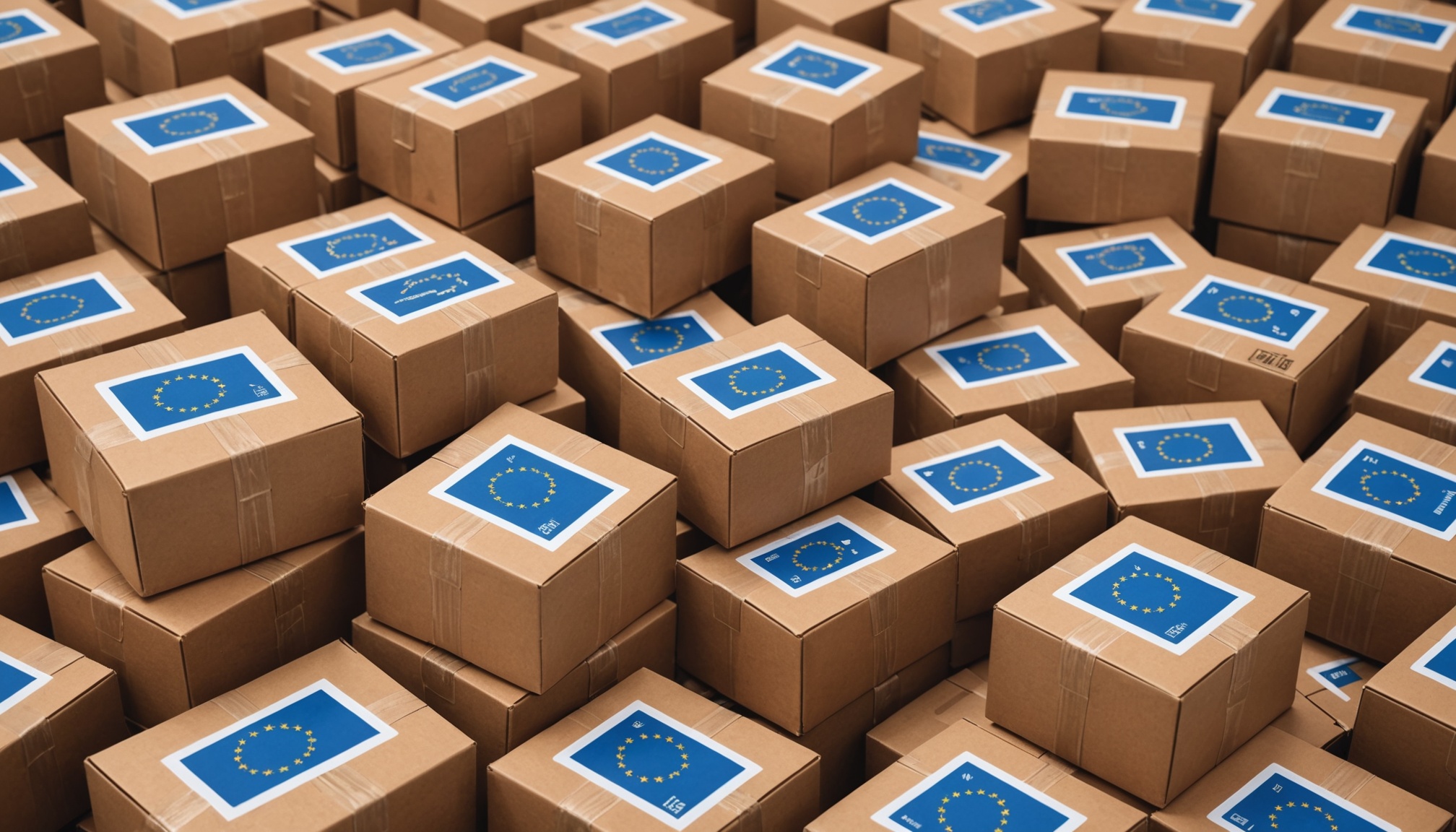
Ordering a €4 accessory from Shein or a €6 gadget from Temu will soon cost more than the product itself. Since July 1, 2026, a European tax on small parcels imported from outside the European Union has applied to all parcels worth less than €150, and the amount is set to rise again before the end of the year. Here's what this reform actually changes for shoppers in France.
A Flat Fee of €3 per Product Category
Contents
The new customs duty, adopted by the Council of the European Union in late 2025, has replaced France's temporary €2 tax—which had taken effect on March 1—since June 30, 2026. It works differently from a standard VAT: rather than a percentage of the price, it's a flat fee of €3 per tariff category of product contained in the parcel. In practice, a parcel combining a T-shirt and a phone case is charged €3 twice, while three identical T-shirts trigger the fee only once.
An Increase Already Scheduled for Year's End
The current arrangement is only a transitional step. Based on information available so far, the flat fee is set to rise to €5 per category in November 2026, as part of a fully harmonized system at the European Union level. Brussels' stated goal is to end the duty-free regime that had, until now, allowed low-value parcels to escape almost all customs controls.
- January 1, 2026: France's €2 processing fee takes effect for non-EU parcels worth less than €150.
- June 30, 2026: the French tax is suspended in favor of the European customs duty.
- July 1, 2026: the European flat fee of €3 per item category takes effect.
- November 2026: announced increase to €5 per category, under a fully European system.
Why This Measure Targets Shein, Temu, and AliExpress
Ultra-low-cost platforms shipping from Asia are the direct target. According to European customs authorities, several billion parcels worth less than €150 enter the EU duty-free each year—a volume considered impossible to control effectively and seen as unfair competition for local businesses. The measure is also meant to fund the additional customs enforcement needed to verify that these products comply with regulations, particularly safety standards.
What This Means for Your Wallet
According to consumer advocacy groups, the bill will effectively fall on shoppers: margins on these products are so thin that platforms aren't expected to absorb the added cost. A €3 accessory will automatically become uncompetitive once taxed at €5 or €8. Clothing items, typically sold between €7 and €15, will see their prices rise more moderately in proportion. Orders combining several different product categories, however, will see their added costs multiply, which could push shoppers to reduce the variety of items in their carts to stay under the tax's economic radar. On the economic front, this shift could also give some breathing room to French retailers competing in the same price segments.
How to Plan for the Added Cost
A few simple habits can help avoid an unpleasant surprise at checkout: group purchases by product category rather than ordering many different items, check whether the price shown on the platform already includes the tax or whether it's added afterward, and compare the total cost with that of a French or European alternative before placing the order. This kind of vigilance echoes the broader, usual advice regarding after-sales service, which is often more limited on platforms based outside Europe.
Frequently Asked Questions
Does the tax apply to all foreign e-commerce sites?
Yes, it applies to any parcel worth less than €150 shipped from a country outside the European Union, regardless of the shopping platform, although Shein, Temu, and AliExpress are the most affected by volume.
Is the tax paid by the seller or the buyer?
In theory, it is owed by the importer, but in practice, platforms systematically pass it on to the price paid by the end customer at checkout.
Is the €5 amount in November already final?
The timeline remains subject to decisions by European institutions; however, industry players consider this increase to €5 per category to be the most likely scenario based on current announcements.
Sources
Author Profile
Latest entries
 Food & Drink21 November 2026Beaujolais Nouveau: A Historically Low Harvest, Yet Sales Keep Climbing
 Finance20 November 2026Consumer Credit: Mini-Loans, Split Payments, and Overdrafts Face Tighter Rules
 Planet15 November 2026CO2 Emissions: Why Transportation Remains France's Climate Blind Spot
 Artificial Intelligence12 November 2026Imagine Enterprise: IBM and Microsoft Team Up on AI Agents for Large Businesses
This article was written with the help of artificial intelligence. Editorial policy