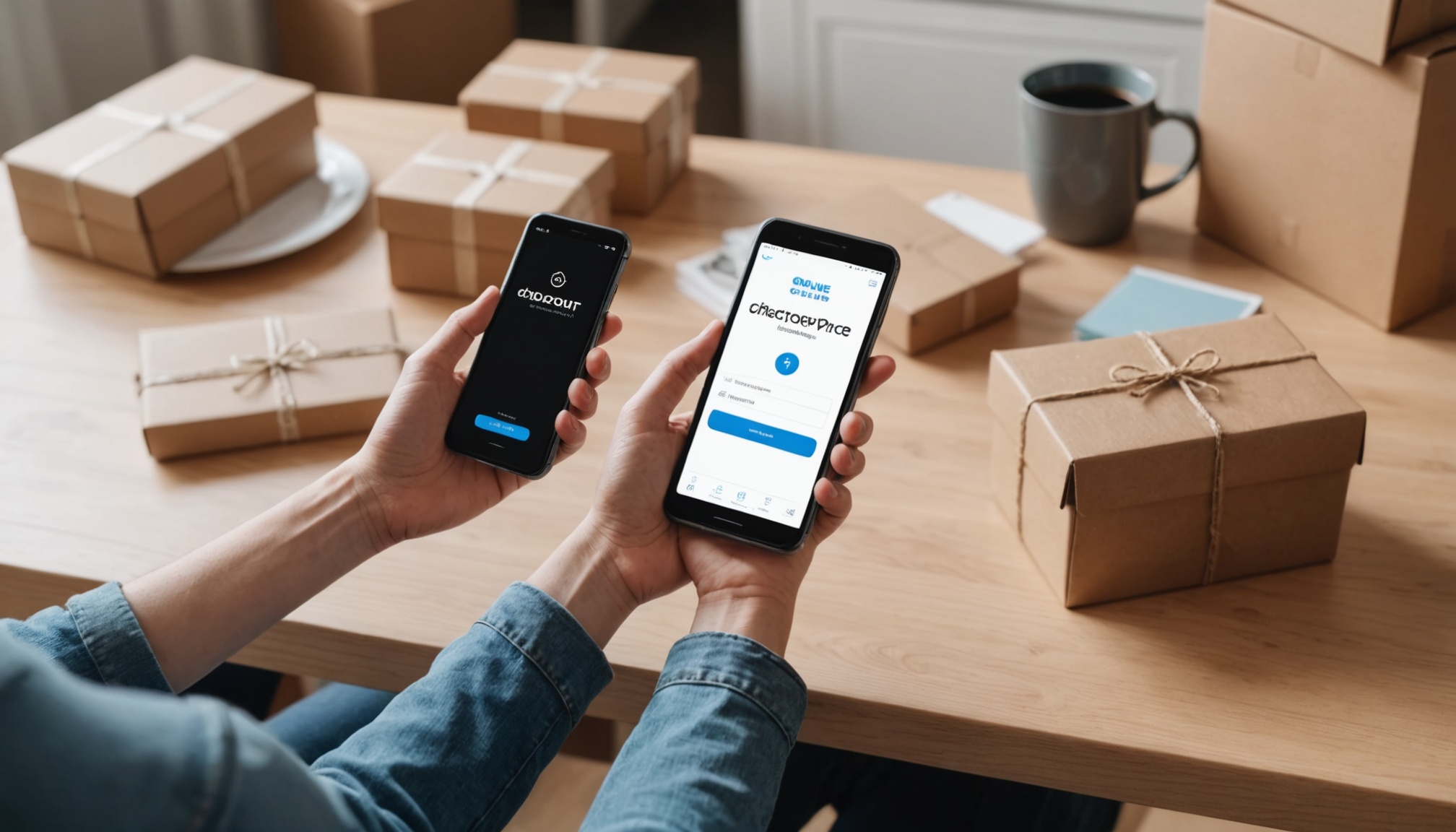
French consumers are shopping online more often, but spending less with each order. That's the paradox revealed by the latest figures from the Fédération du e-commerce et de la vente à distance (Fevad, the French e-commerce and distance-selling federation): in the second quarter of 2026, the average online shopping basket fell back below the 60-euro mark, even as the number of transactions is soaring.
A dynamic e-commerce sector, but a shrinking basket
Contents
Over the three months from April to June 2026, French e-commerce generated 52.2 billion euros, up 8.5% year-over-year, according to Fevad. At the same time, 874 million transactions were completed, a 13.5% increase. But the average basket fell 4.3% to 59.7 euros, compared with 62 euros in 2025.
In other words, consumers are placing more orders, but each one weighs less on their wallets. Industry specialists interpret this as a direct consequence of households' budget trade-offs.
Why shoppers are splitting up their spending
This trend toward splitting purchases can be explained by several combined factors. French consumers are comparing prices more before buying, waiting for sales periods, and increasingly turning to split-payment solutions to spread out their spending over time. Online shopping is also shifting toward more targeted purchases, aided by tools that automate part of the process: having an artificial intelligence handle purchase payments or, more broadly, agentic commerce, where an AI agent makes purchases on the consumer's behalf, are starting to find their way into certain shopping journeys, with a logic of controlled rather than impulsive spending.
Taxation is also weighing on certain categories of cheap imported products: the new European tax on small packages from outside the EU is making some purchases from platforms like Shein, Temu, or AliExpress more expensive, which may also be pushing some shoppers to reduce the size of their orders to stay under certain thresholds.
The physical store, the big winner this fall
Another converging finding: despite the growth of online commerce, the physical store remains central. According to Publicis's 2026 Shopper Trends barometer, the store remains the preferred channel for French consumers to finalize their purchases, even when the search for the product began online. This finding echoes analyses showing that the French still favor physical stores despite the purchasing-power crisis: price comparison increasingly happens online, but the final purchase act remains largely rooted in traditional retail.
What this means for consumers
- Placing multiple small orders can make it easy to lose sight of total monthly spending;
- Comparing prices remains the best weapon against declining purchasing power, both online and in stores;
- Repeated shipping fees on small baskets can cancel out the financial benefit of splitting orders;
- Deferred payment tools require particular vigilance to avoid stacking up due dates.
Frequently Asked Questions
Why is the average online basket shrinking even as sales rise?
Because French consumers are ordering more often but for smaller amounts each time, a sign of budget caution in the face of pressure on purchasing power.
Is the physical store being outcompeted by this rise in online shopping?
No, according to the most recent studies: product research increasingly happens online, but the final purchase is still largely made in stores.
Does the tax on small packages from outside the EU apply to all online purchases?
No, it specifically targets packages coming from countries outside the European Union, particularly from major low-cost sales platforms.
Sources
- Fevad — French e-commerce grows 6.6% in the first half of 2026
- Ecommerce Nation — France e-commerce Q2 2026: average basket declines
- Publicis Groupe — 2026 Shopper Trends barometer
Author Profile
Latest entries
 Food & Drink21 November 2026Beaujolais Nouveau: A Historically Low Harvest, Yet Sales Keep Climbing
 Finance20 November 2026Consumer Credit: Mini-Loans, Split Payments, and Overdrafts Face Tighter Rules
 Planet15 November 2026CO2 Emissions: Why Transportation Remains France's Climate Blind Spot
 Artificial Intelligence12 November 2026Imagine Enterprise: IBM and Microsoft Team Up on AI Agents for Large Businesses
This article was written with the help of artificial intelligence. Editorial policy