This summer of 2026, the heat wave sweeping across France is doing more than pushing up the thermometer: it's deeply disrupting the way ecosystems function. Bees, insect-eating birds, and insects are all seeing their life rhythms thrown off by the heat, and pollinators are on the front line, with consequences that go well beyond summer discomfort. Here's a closer look at a quiet but worrying phenomenon: the desynchronization of biodiversity in the face of repeated heat waves.
Heat that shifts life rhythms rather than killing outright
Contents
Contrary to popular belief, most of the damage caused by heat waves to wildlife doesn't come from immediate mass mortality, but from a gradual shift in behavior. Many species compress their activity into the coolest hours, early morning or evening, to avoid peak heat. This adjustment, seemingly harmless on its own, ends up desynchronizing entire ecological chains: when two species that depended on each other are no longer active at the same time, a whole balance becomes fragile.
Pollinators, the first to feel the disruption
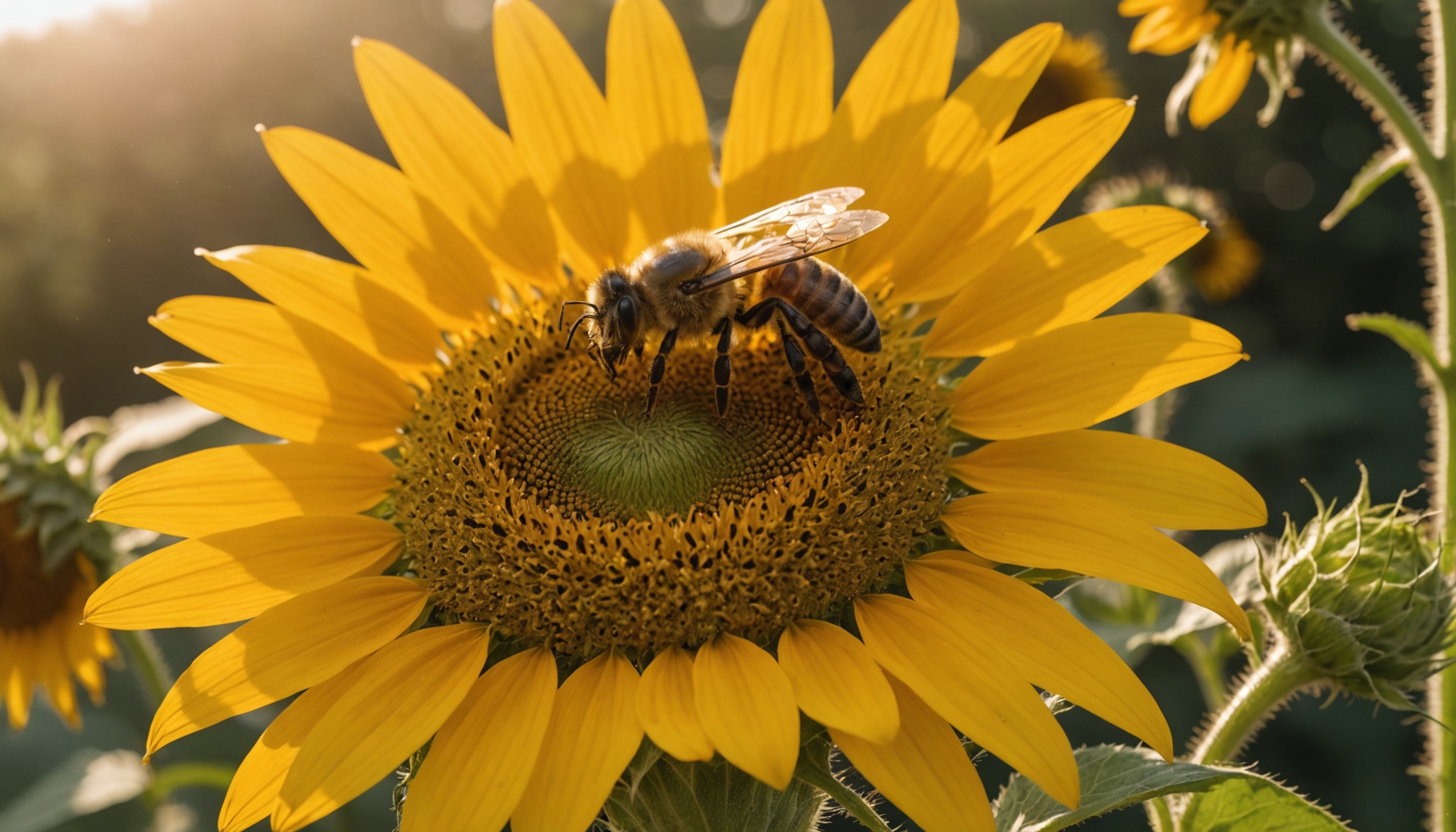
Bees are a clear illustration of this phenomenon. During heat peaks, they concentrate their foraging activity into a very narrow morning window, which in turn limits the pollination of crops and wild flowers. Extreme heat can also damage certain blooms, such as those of the chestnut tree, which are essential to honey production in several regions of France. Beekeepers regularly point this out: the service provided by pollinating insects underpins a significant share of our food supply, which is why these disruptions are closely watched by agricultural sectors.
Birds and insects don't react the same way
For insect-eating birds, heat drives the insects they feed on to take refuge deeper in vegetation or soil. Parents then have to travel longer distances to feed their chicks, right at the moment when the food needs of their broods are highest. Conversely, some species actually benefit from these conditions: the Asian tiger mosquito (Aedes albopictus), for example, speeds up its development cycle under the effect of heat, giving it a competitive edge over other insects less well adapted to high temperatures.
Why this phenomenon worries researchers
So it isn't the heat itself that poses the biggest problem, but the breakdown in synchronization between species within the same ecosystem. A flower that opens too early, an insect that becomes active too late, a predator that misses the peak abundance of its prey: each of these mismatches, taken on its own, seems minor. But added up over several consecutive summers of intense heat, they weaken entire food chains and make it harder for ecosystems to regenerate.
- Bee foraging concentrated into just a few morning hours
- Disrupted blooms, with a direct impact on honey production
- Insect-eating birds forced to widen their foraging range
- Opportunistic species, like the Asian tiger mosquito, favored by the heat
Measures to protect pollinators
Faced with these findings, public authorities aren't starting from scratch. France has adopted a national action plan for pollinators, running from 2021 to 2026, which aims in particular to reduce the pressures weighing on bees and other pollinating insects and to restore habitats favorable to their reproduction. At the same time, several beekeeping associations and collectives are stepping up public awareness campaigns, with simple practical tips: planting nectar-rich plants suited to the local climate, limiting watering to cooler hours, or setting up shallow water points for small wildlife.
Beyond individual gardens, the issue also directly affects our food consumption: a large share of the fruits, vegetables, and oilseeds we eat depend, at least in part, on pollination by insects. Preserving this balance is therefore not just a matter of protecting nature for its own sake, but also a matter of food security over the medium term.
Frequently Asked Questions
Does the heat wave directly kill pollinators?
Rarely on a massive scale. The main issue instead comes from changes in their behavior (foraging reduced to just a few hours) and the deterioration of the floral resources they depend on.
Which species actually benefit from the heat?
Some species with fast development cycles, such as the Asian tiger mosquito, take advantage of high temperatures to develop more quickly and gain an edge over competing species that are less well adapted.
What can everyone do on their own scale to help pollinators?
Planting local nectar-rich flowers, avoiding pesticides in the garden, watering early in the morning or late in the evening, and setting up small shallow water points are simple actions that can limit the impact of heat waves on nearby wildlife.
Sources
Author Profile
Latest entries
 Planet15 November 2026CO2 Emissions: Why Transportation Remains France's Climate Blind Spot
 Artificial Intelligence12 November 2026Imagine Enterprise: IBM and Microsoft Team Up on AI Agents for Large Businesses
 Economy11 November 2026Livret A Rate: Understanding How It's Calculated and Its Limits
 Shopping8 November 2026Black Friday: Key Dates and the Budget French Shoppers Are Planning
This article was written with the help of artificial intelligence. Editorial policy