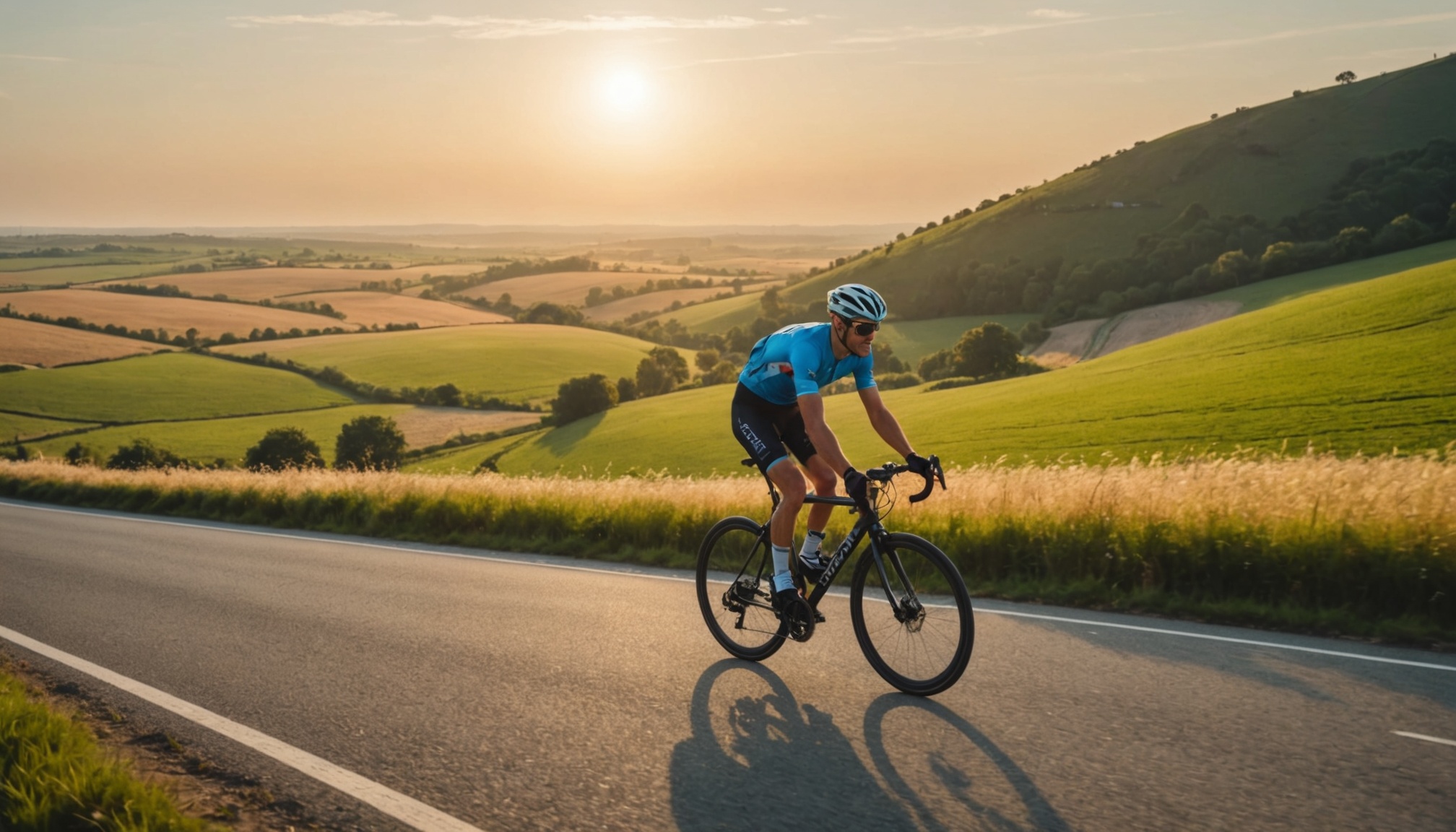
Riding 100, 150, or 200 kilometers in one go doesn't happen by chance. The endurance road bike meets a specific need: covering long distances without wrecking your back, wrists, or legs. Between choosing the right bike, training, and managing nutrition, here are the key points to know before tackling long rides.
Endurance Bike vs. Racing Bike: A Geometry Built for Distance
Contents
The first difference between a classic road bike and an endurance road bike lies in the frame geometry. A higher stack and a shorter reach allow for a less stretched-out riding position, which eases strain on the back and wrists over time. The slightly longer wheelbase and less twitchy steering also provide more stability at high speed or on long descents.
Comfort also depends on tire width: endurance frames often accommodate widths of up to 32 mm, compared with 25 or 28 mm on a pure performance-oriented bike, which improves cushioning over road irregularities. Manufacturers such as Canyon (canyon.com) offer entire lineups dedicated to this use, built around the endurance road bike concept, with frames designed to filter out vibrations without sacrificing pedaling efficiency.
Building Endurance Gradually
Preparing to ride for long stretches requires a gradual increase in training load. Adding a few kilometers to your long ride each week accustoms the body to prolonged effort while limiting the risk of injury or overtraining. Most training methods recommend riding the bulk of the time at moderate intensity, around 60 to 70% of maximum heart rate, supplemented by a few more intense sessions.
- A weekly long ride at a moderate pace, to get the body used to duration
- Shorter, more varied sessions during the week to maintain overall fitness
- A phase of gradual recovery in the days leading up to a goal event
- Supplementary strength training to support the back and joints
Nutrition and Hydration: The Mistake to Avoid
On a ride lasting several hours, waiting until you feel hungry or thirsty before eating is the most common mistake. For a four-hour ride, alternating gels and energy bars roughly every thirty minutes helps maintain a steady carbohydrate intake without overloading digestion.
As for hydration, it's best to drink small sips every ten minutes, a bit more often in hot weather, aiming to replace 70 to 80% of fluid losses. Water alone is enough for rides under an hour and a half; beyond that, an isotonic drink providing carbohydrates and electrolytes (sodium, potassium, magnesium) becomes useful to support the effort. As guides on the subject point out, it's better to have tested your nutrition strategy in training than to try a new product on the day of an important goal, much like what riders experience during a long career on the road.
Mistakes to Avoid Before a Long Ride
- Setting off with a poorly adjusted bike: an unsuitable position takes its toll after several hours in the saddle
- Neglecting to warm up and do light stretches before setting off
- Underestimating the weather and wind, which increase the real effort required
- Forgetting a minimal repair kit (spare tube, multi-tool, pump)
To progress without getting injured, it also helps to take care of muscle recovery and overall nutrition, a topic covered in our article on the role of protein in training. And for those looking for an opportunity to get (back) in the saddle close to home, public events remain a good entry point, like the Fête du Sport held every year in France.
Frequently Asked Questions
What's the difference between an endurance road bike and a classic road bike?
An endurance road bike has a more upright, more stable geometry designed for long-term comfort, whereas a classic road bike favors a more aggressive position and a more responsive frame for pure performance.
How long does it take to prepare for a first long-distance ride?
There's no universal timeframe: what matters is gradually increasing the distance of your weekly long ride, week after week, giving your body time to adapt.
Should you drink only water during a long ride?
Water is enough for short rides, but beyond an hour and a half of effort, an isotonic drink providing carbohydrates and electrolytes helps better support the body.
Sources
- French Cycling Touring Federation
- Tout pour ma santé — cycling hydration
- L'Expert Vélo — endurance road bike
Author Profile
Latest entries
 Artificial Intelligence12 November 2026Imagine Enterprise: IBM and Microsoft Team Up on AI Agents for Large Businesses
 Economy11 November 2026Livret A Rate: Understanding How It's Calculated and Its Limits
 Shopping8 November 2026Black Friday: Key Dates and the Budget French Shoppers Are Planning
 Sports6 November 2026Men's Road Bike: How to Choose and Maintain One
This article was written with the help of artificial intelligence. Editorial policy