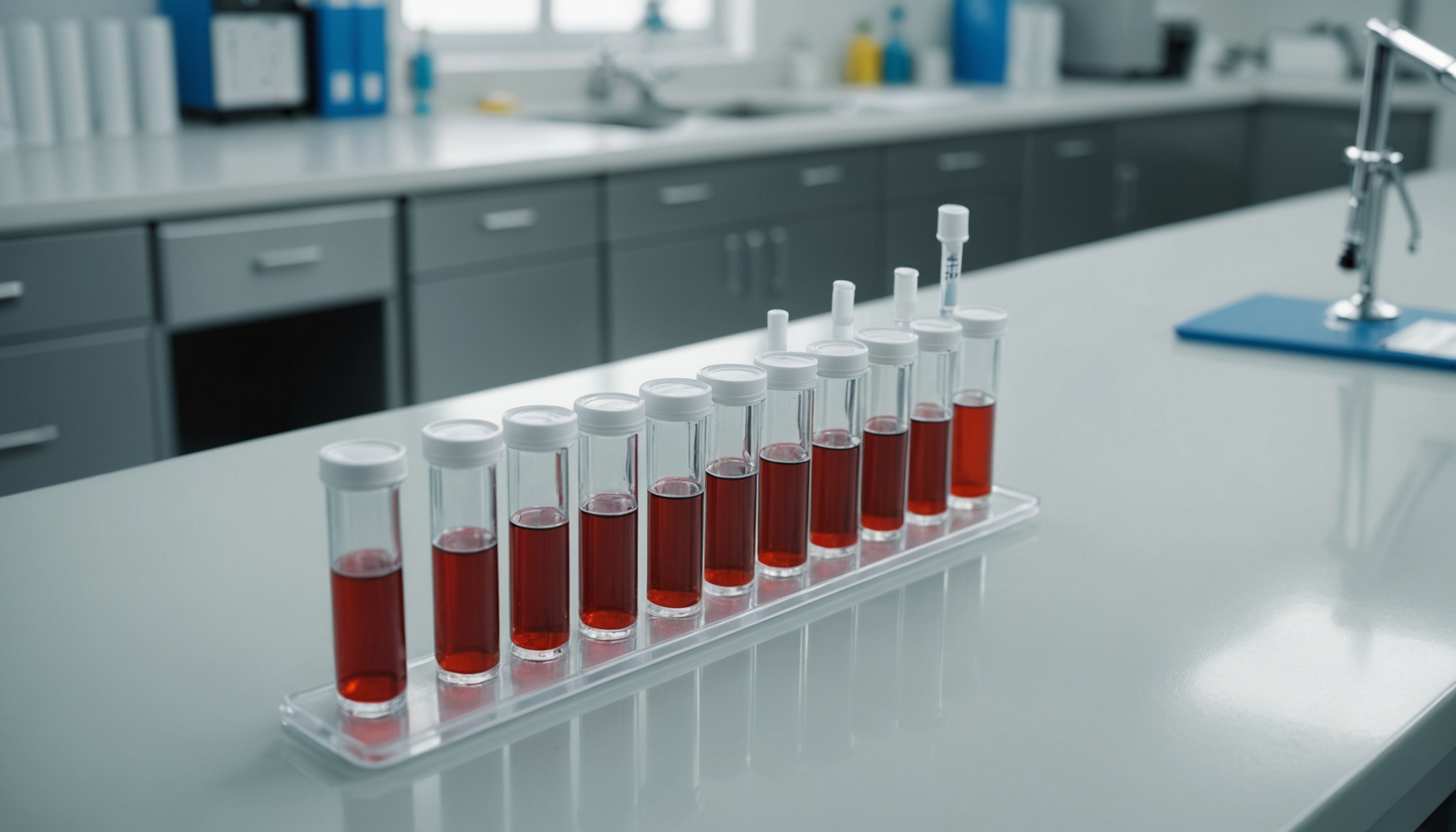
Having a blood test is one of the most common medical procedures, yet many patients show up at the lab without knowing whether fasting is actually necessary, or what might skew their results. Between misconceptions and misunderstood instructions, here's what you really need to know before, during, and after a blood draw.
Fasting or Not: It All Depends on the Test Ordered
Contents
Contrary to a common belief, fasting is not required before every blood draw. It remains essential, however, for certain tests that are sensitive to food intake, such as a lipid panel (cholesterol, triglycerides) or blood glucose. Hospital laboratories generally recommend an 8- to 12-hour fasting period before the test, though plain water remains allowed—it even makes the procedure easier by making veins more accessible. The simplest approach is to take advantage of the natural overnight fast: eat a normal dinner the night before, without excess sugar or fat, then arrive at the lab early in the morning. For a hormonal panel or a screening for deficiencies, on the other hand, prolonged fasting generally isn't necessary: it's best to follow the instructions given by the prescribing doctor rather than impose one as a precaution.
The Mistakes That Quietly Skew Results
A coffee drunk too quickly, a fruit juice to pass the time in the waiting line, breakfast eaten out of habit: these small slip-ups are enough to alter measured glucose or lipid levels without the patient even realizing it. High-fat foods (fried items, deli meats, sauces) should also be avoided in the 24 to 48 hours before the draw, as should alcohol and intense physical activity, both of which can temporarily shift certain markers. It's also a good idea to tell the lab about any ongoing treatments, since some medications directly affect results. To get a clearer picture of what each type of test involves, ondemand.labcorp.com offers a page that goes into detail about the blood test, its indications, and how it's performed—a useful resource for anyone who wants to learn more before their appointment.
At-Home Blood Draws: When They're Possible, and What's Reimbursed
An at-home blood draw is only possible with a doctor's prescription, performed by a contracted visiting nurse. France's national health insurance (l'Assurance Maladie) covers 60% of the cost, including travel fees, with the remaining 40% potentially covered by a supplemental insurance plan (mutuelle). Patients with a long-term chronic condition (ALD), pregnant women, and beneficiaries of the complementary universal health coverage (la complémentaire santé solidaire) don't have to pay anything upfront. This system ties into a broader issue for ALD patients: the medical deductible on prescription drugs (la franchise médicale) follows its own rules, separate from those that apply to blood test reimbursement. Another recent simplification on the administrative side: submitting results and supporting documents increasingly goes through the mobile app, following the same principle as the care statement sent by photo (la feuille de soins) through the ameli app.
After the Draw: How to Read Your Results Without Panicking
A result slightly outside the reference range isn't automatically a sign of a problem: these ranges vary by age, sex, or even the lab that performed the test. The right move is to discuss it with a doctor rather than searching for an explanation alone online—even if that means starting with a teleconsultation for a quick initial opinion before, if needed, a regular appointment. It's also a chance to tell the practitioner about anything that might have skewed the test—a meal eaten too early, a missed medication that wasn't mentioned—to avoid a misleading interpretation.
Frequently Asked Questions
Do you always have to fast for a blood test?
No. Fasting is only required for certain specific tests, such as a lipid panel or blood glucose. For most other tests, it isn't necessary; when in doubt, the instructions given by the prescribing doctor or the lab take precedence.
Can you drink water before the test?
Yes, plain water remains allowed during the fast and is even recommended: good hydration makes veins more accessible and makes the draw easier.
Does an at-home blood draw cost more than one done at the lab?
With a doctor's prescription, the procedure and the nurse's travel fees are reimbursed at 60% by France's national health insurance (l'Assurance Maladie), just as at the lab. Patients with a long-term chronic condition (ALD), pregnant women, or beneficiaries of the complementary universal health coverage don't have to pay anything upfront.
Sources
- Guidelines for Performing a Blood Draw — CHU de Nantes
- Blood Test: Procedure, Preparation, and Mistakes to Avoid — Medadom
- Coverage for At-Home Nursing Care — ameli.fr policyholders forum
Author Profile
Latest entries
 Artificial Intelligence12 November 2026Imagine Enterprise: IBM and Microsoft Team Up on AI Agents for Large Businesses
 Economy11 November 2026Livret A Rate: Understanding How It's Calculated and Its Limits
 Shopping8 November 2026Black Friday: Key Dates and the Budget French Shoppers Are Planning
 Sports6 November 2026Men's Road Bike: How to Choose and Maintain One
This article was written with the help of artificial intelligence. Editorial policy