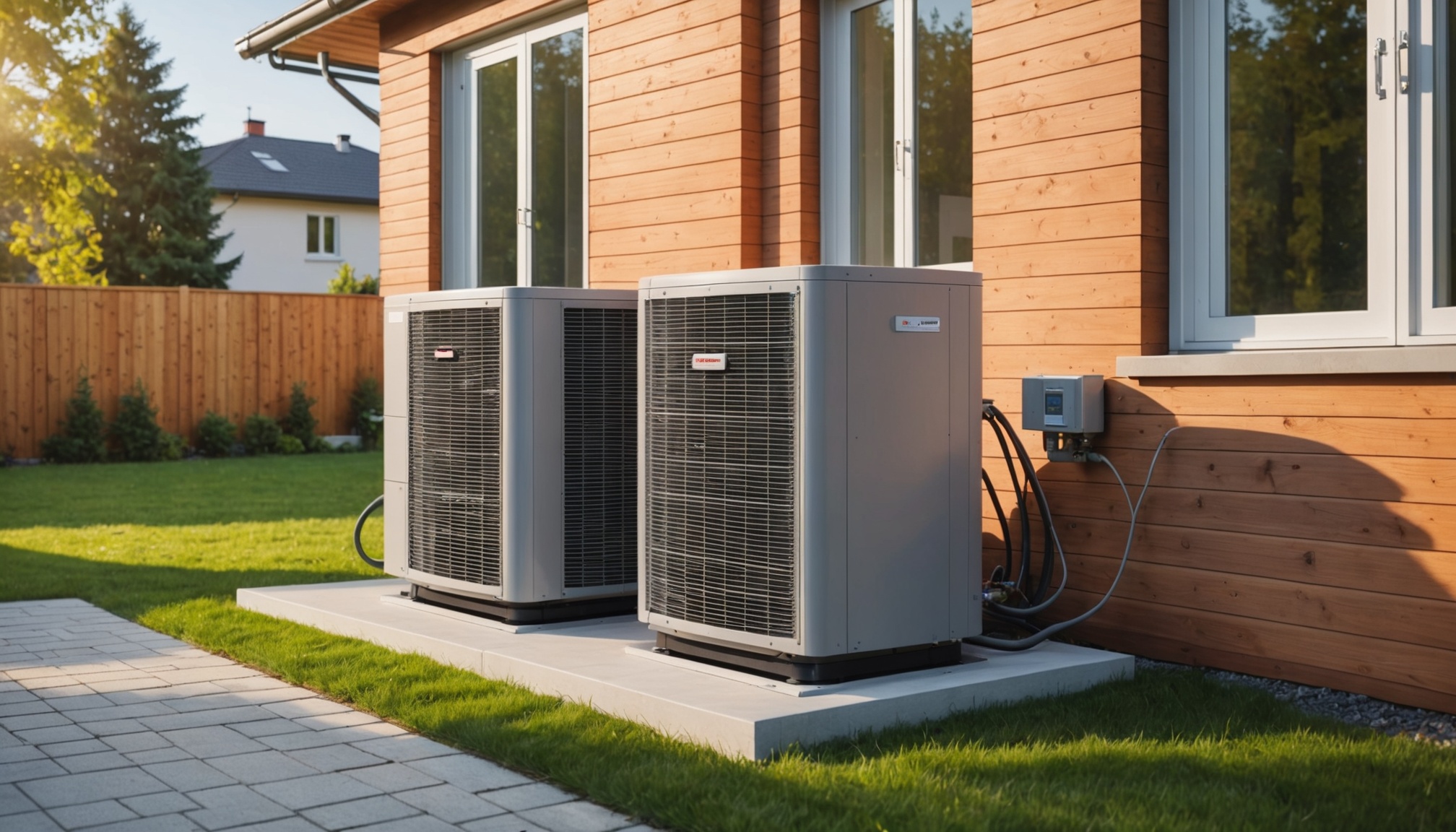
Since September 1, 2026, the single-measure pathway of MaPrimeRénov' has operated under new rules. Wood and biomass heating, mechanical ventilation (VMC), or standalone insulation: several types of equipment have dropped out of this energy-renovation grant program in France, while others remain funded. Here's what's actually changing for homeowners planning renovation work, and how to adjust a project to these new public energy service rules.
What's Dropping Out of the Program
Contents
The “single-measure” pathway of MaPrimeRénov' used to allow homeowners to fund a single type of work without going through a full energy audit. Since September 1, 2026, this entry point has narrowed considerably. Now excluded from single-measure funding: installing a standalone heater or water heater running on wood or other biomass, installing a VMC system, and insulating the attic or walls as a stand-alone job. For this kind of work, homeowners will now need to turn to a comprehensive renovation pathway, which requires a more thorough assessment but can potentially offer a larger grant.
Equipment Still Eligible Under the Single-Measure Pathway
Three types of work remain fundable through the single-measure pathway:
- Installing an air-to-water or geothermal heat pump;
- Removing a fuel oil tank;
- Connecting to a district heating network.
One nuance worth knowing: a heat pump used solely to produce domestic hot water, with no heating function, no longer falls under the single-measure grant. Homeowners weighing several quotes should carefully check the exact function of the equipment being offered before signing anything, something the right precautions before any energy renovation can help anticipate.
Why the Program Is Tightening
The stated goal of the reform is to push households toward comprehensive renovations, considered more effective than a series of isolated measures for durably cutting a home's energy use. Insulation installed without addressing ventilation, for instance, can create humidity problems; a new heating system installed without upgrading insulation limits the real savings. By narrowing the single-measure pathway to collective or low-carbon heating equipment, the French government is aiming to limit grants to work whose standalone effectiveness is better established.
This tightening does come with a counterbalancing measure for the most energy-inefficient homes: access to certain grants remains extended until December 31, 2027, for homes rated F and G on the energy scale, which are considered a priority in the fight against energy poverty.
What This Means for Your Project
In practice, before starting any work funded by MaPrimeRénov', it's worth asking three questions: Is the planned measure still on the list of work eligible on its own? Would support for a comprehensive renovation make more sense, especially if several areas (heating, insulation, ventilation) need to be addressed? Does the home fall into an energy rating bracket that qualifies for a specific extension? These often-technical decisions are best worked through with an RGE-certified professional before filing an application, just as with a facade renovation project, where an upfront assessment avoids plenty of headaches. Households already tracking other fall administrative deadlines, such as the fuel aid deadline, will recognize the same logic here: check the criteria before committing, since the rules change quickly from one season to the next.
Frequently Asked Questions
Is wood heating completely excluded from renovation grants?
No, it only drops out of the standalone “single-measure” pathway. Wood or biomass equipment can still be eligible if it's part of a comprehensive renovation pathway that includes full support for the home.
Is a heat pump still funded?
Yes, for air-to-water or geothermal heat pumps that provide heating. However, a heat pump that only produces domestic hot water, without heating, is no longer covered under the single-measure pathway.
Do homes rated F or G get special treatment?
Yes, access to certain grants remains extended for these homes until December 31, 2027, a measure meant to avoid slowing down the most urgently needed energy renovations.
Sources
HomeServe —
French Ministry of the Economy —
Que Choisir Ensemble
Author Profile
Latest entries
 Artificial Intelligence12 November 2026Imagine Enterprise: IBM and Microsoft Team Up on AI Agents for Large Businesses
 Economy11 November 2026Livret A Rate: Understanding How It's Calculated and Its Limits
 Shopping8 November 2026Black Friday: Key Dates and the Budget French Shoppers Are Planning
 Sports6 November 2026Men's Road Bike: How to Choose and Maintain One
This article was written with the help of artificial intelligence. Editorial policy