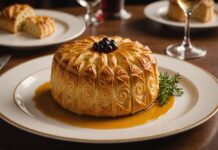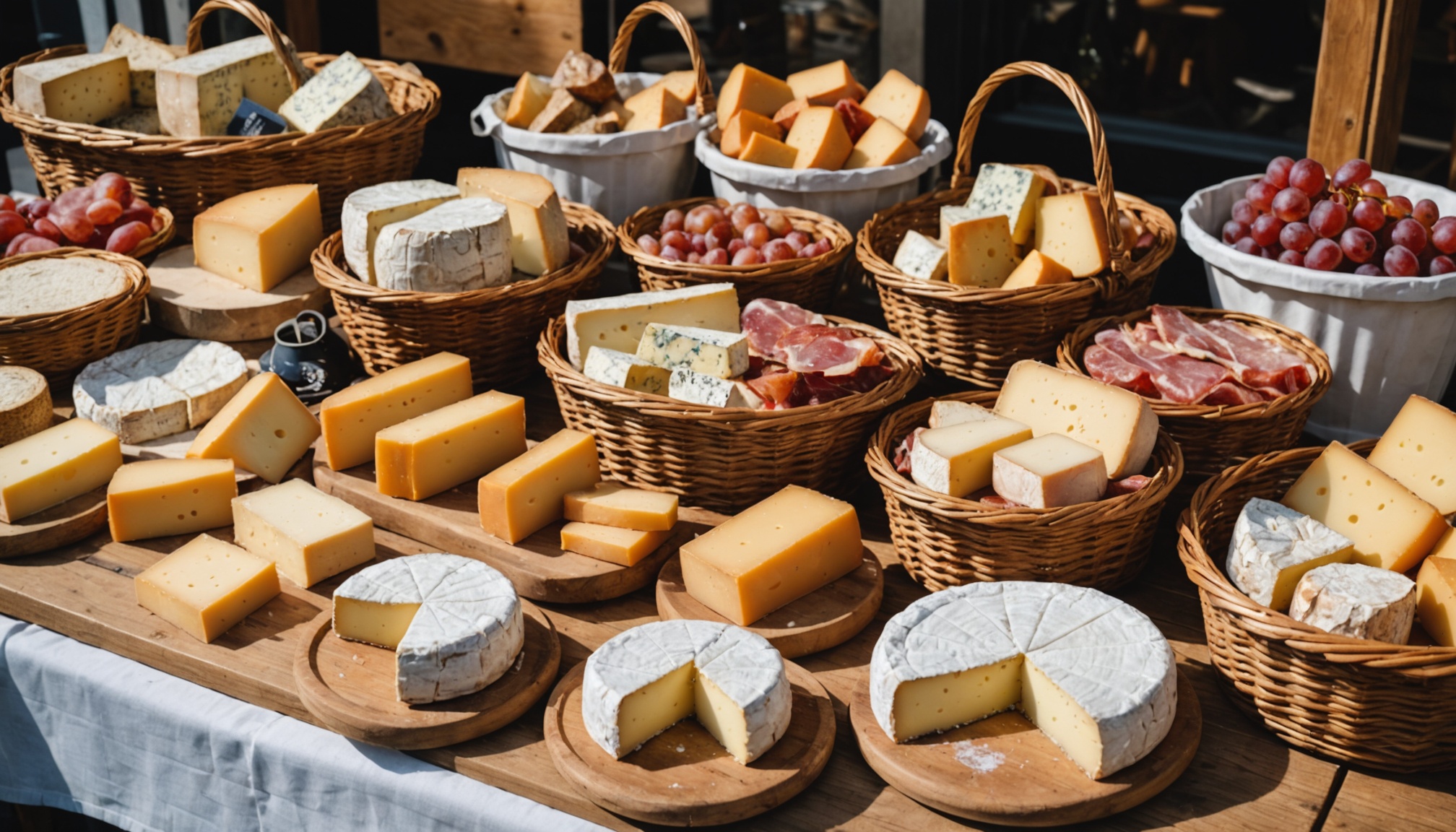
Once again this past weekend, tens of thousands of visitors flocked to fairs and competitions dedicated to local products. In Livarot, the 37th Cheese Fair brought together nearly 80 exhibitors around five great Norman cheeses; in Reims, the first Sacre du Pâté en Croûte honored a centuries-old artisanal craft. These events, far from being mere local festivities, illustrate a deep-seated trend in French gastronomy in 2026: the massive comeback of terroir and short supply chains in eating habits.
Local Fairs Becoming National Barometers
Contents
The Livarot Cheese Fair, held in early August by the Livarot Animations association, celebrates Livarot, Camembert, Pont-l'Évêque, Neufchâtel, and Pavé d'Auge cheeses. The event, free and open to everyone, draws thousands of visitors each summer who come to celebrate a cheesemaking heritage protected by designations of origin. A few days earlier, in Reims, the first Sacre du Pâté en Croûte brought together artisan butchers and delicatessen makers for a competition celebrating recipes passed down from generation to generation.
These two events, held just a few hundred kilometers apart, are not isolated cases: they are part of an increasingly packed summer calendar of fairs, trade shows, and competitions devoted to local products—a trend that restaurant industry professionals are watching closely.
Why Terroir Is Reclaiming Its Place on French Plates
Industry analyses published this year all point to the same conclusion: French cuisine in 2026 is marked by a return to the basics. Cheeses with protected designation of origin (AOP) status, ultra-fresh fish, and long-aged meats are moving back to the center of the plate, including in formats affordable for everyday meals. This shift answers a dual demand: a desire for quality and traceability on one hand, and a search for controlled prices on the other, at a time when purchasing power remains a major concern for French households.
Short supply chains are benefiting directly from this momentum. By tightening the link between producer and consumer, they make it possible to better showcase the work of artisans while cutting out middlemen. Fairs like the one in Livarot act as a showcase here: they shine a spotlight on supply chains sometimes weakened by competition from large retail chains and standardized products.
What This Means in Practice for Consumers
- Easier access to AOP products directly from producers, without a middleman's markup.
- Clearer information about origin and production methods, thanks to the specifications behind each designation.
- Concrete support for the local economy and artisanal know-how at risk of disappearing.
- An offering that now extends beyond trade shows to free events open to the general public.
For the industries involved, there's also an economic stake: every widely covered fair or competition helps raise awareness of products that are sometimes little known outside their region of origin, and helps sustain demand for them year-round.
Frequently Asked Questions
What is a protected designation of origin (AOP)?
An AOP guarantees that all stages of a product's production, processing, and preparation take place within a defined geographic area, following recognized expertise. In France, this European label has replaced the AOC designation for food products since 2009, while maintaining the same traceability requirements.
Why are short supply chains growing so much in 2026?
They answer a dual demand from consumers: more transparency about where products come from, and better control over food budgets, by cutting the number of middlemen between the producer and the plate.
Do these local fairs have an impact beyond their region?
Yes: by drawing visitors from far away and gaining national media coverage, these events raise the profile of products and artisans who would otherwise remain confined to a regional market.
Find more analysis in our Consumer, Economy, and Planet sections.
Sources
- Livarot-Pays d'Auge — 37th Cheese Fair
- Les Nouvelles Gastronomiques — Sacre du Pâté en Croûte in Reims
- Fine Dining Lovers — 2026 Food Trends
Author Profile
Latest entries
 Food & Drink21 November 2026Beaujolais Nouveau: A Historically Low Harvest, Yet Sales Keep Climbing
 Finance20 November 2026Consumer Credit: Mini-Loans, Split Payments, and Overdrafts Face Tighter Rules
 Planet15 November 2026CO2 Emissions: Why Transportation Remains France's Climate Blind Spot
 Artificial Intelligence12 November 2026Imagine Enterprise: IBM and Microsoft Team Up on AI Agents for Large Businesses
This article was written with the help of artificial intelligence. Editorial policy