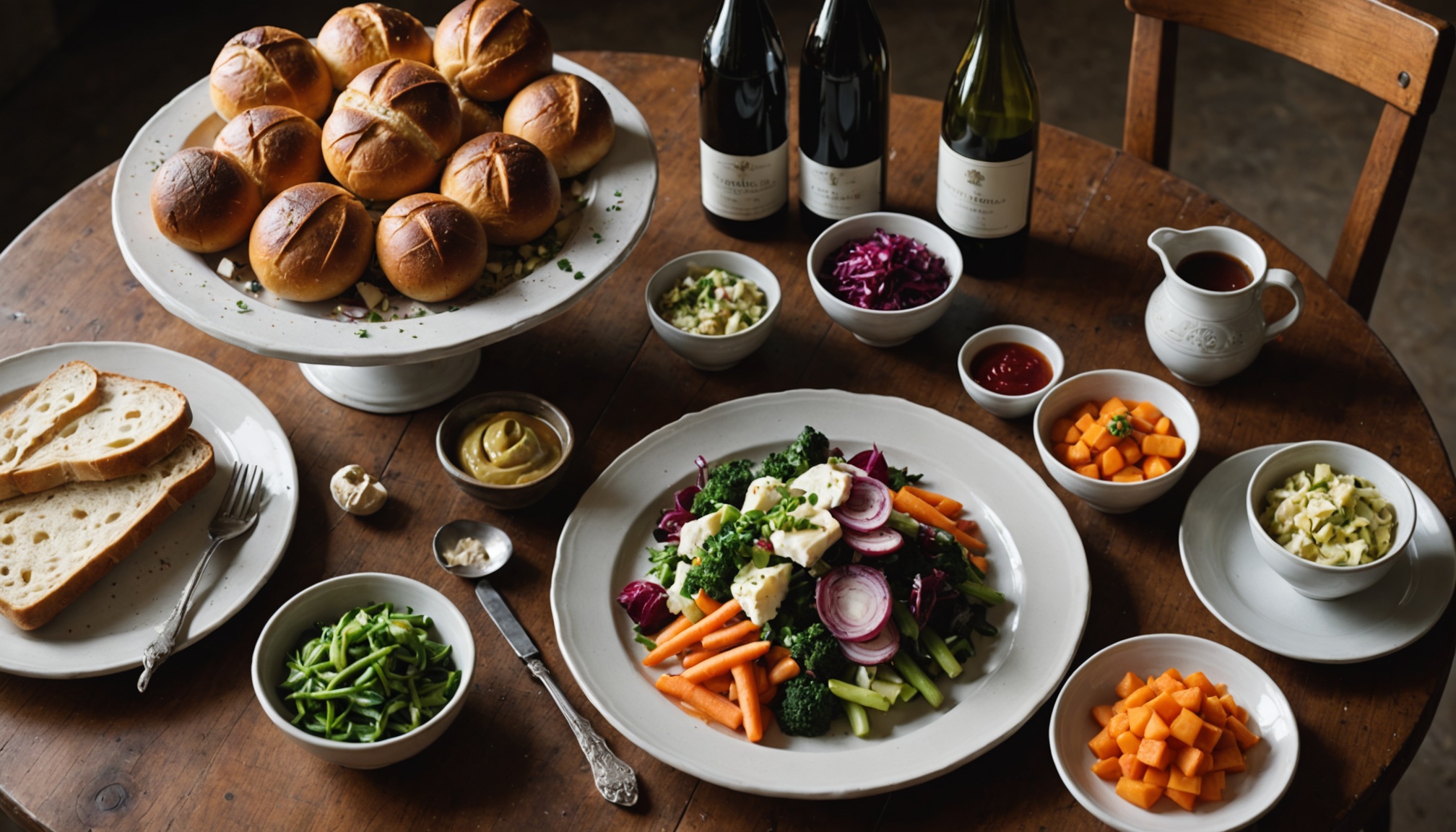
Fall 2026 confirms a deep-seated shift in French dining: menus are becoming more focused, ancestral preservation techniques are making a comeback in the kitchen, and customers are weighing their dining-out budgets more carefully than ever. Together, these trends are redrawing, restaurant by restaurant, what ends up on the plate.
The big comeback of fermentation and curing
Contents
Industry analyses published this summer all point the same way: fermentation, marinating, and curing are experiencing a genuine renaissance in professional kitchens. These techniques, long relegated to the status of artisanal know-how, are coming back driven by two simultaneous customer demands — more flavor, and more traceability on where products come from. The slogan circulating among restaurateurs this fall sums up the mood: “local is the new luxury.”
Flexitarianism is settling into menus
According to data compiled by the industry's professional organizations, nearly one in four French people now describes themselves as flexitarian — voluntarily cutting back on animal protein without excluding it entirely. The direct consequence for menus: legumes, grains, and seasonal vegetables are taking on a more central role, with more elaborate work on sauces and condiments to make up for the absence of meat in certain dishes. This shift complements, rather than replaces, the already well-established trend of the comeback of bistros and bouillons and their generous, accessible cooking.
Snacking, a new growth driver
Another structural shift: the diversification of consumption formats. Snacking is growing sharply, especially among bakeries, which now combine eat-in, takeout, and delivery to capture meal moments that are more spread out across the day. For chains and restaurants, the ability to multiply formats is becoming a factor of economic resilience in a sector where margins remain under pressure.
A more budget-conscious customer
This movement comes with a paradox that industry professionals themselves acknowledge: customers are cutting back more on how often they dine out and on how much they spend, while expecting more value on the plate, in the glass, and in the overall experience. It's a budget trade-off reminiscent of the one seen among families over back-to-school spending, which was also marked by more caution this year.
A fall defined by homemade cooking
This search for meaning and authenticity spills over well beyond commercial dining: it is also infusing home cooking habits, with confirmed enthusiasm for slower, family-style meals, illustrated by the “nonna maxxing” trend, which is bringing back the recipes and the slower pace of Italian grandmothers' cooking.
Frequently Asked Questions
What is flexitarianism?
It's a way of eating that voluntarily reduces the share of animal protein without excluding it entirely, in favor of legumes, grains, and seasonal vegetables given greater prominence.
Why are fermentation techniques making a comeback in the kitchen?
They answer a two-fold customer demand: more flavor through tastes developed over time, and more traceability on local, seasonal products.
Does snacking only apply to fast food?
No: bakeries and part of traditional dining are also developing these formats, combining eat-in, takeout, and delivery to reach more consumption moments throughout the day.
Sources
- Sysco France — Restaurant Trends 2026
- UMIH Formation — Consumer Trends 2026
- Maison Puyvalin — Gastronomic Trends 2026
Author Profile
Latest entries
 Planet15 November 2026CO2 Emissions: Why Transportation Remains France's Climate Blind Spot
 Artificial Intelligence12 November 2026Imagine Enterprise: IBM and Microsoft Team Up on AI Agents for Large Businesses
 Economy11 November 2026Livret A Rate: Understanding How It's Calculated and Its Limits
 Shopping8 November 2026Black Friday: Key Dates and the Budget French Shoppers Are Planning
This article was written with the help of artificial intelligence. Editorial policy